
Eye Associates Northwest — Dry Eye Disease
Real Relief
for Chronic Dry Eye.
Dry eye disease affects an estimated 30% of the general population, and it often has more than one underlying cause. Our testing helps find the root of your discomfort.
- Multiple diagnostic tests to identify your specific dry eye triggers
- Treatment tailored to your ocular surface findings
- Care for patients who have not found relief elsewhere
Is This Right for You?
Am I a Candidate for Dry Eye Disease?
Dry eye disease can show up in several different ways. If any of the following sound familiar, it may be time for an evaluation.
Dry eye is a disease, not just a symptom: Dry Eye Disease involves increased tear film osmolarity and inflammation of the ocular surface, and can have more than one contributing cause.
The Condition
What Is Dry Eye Disease?
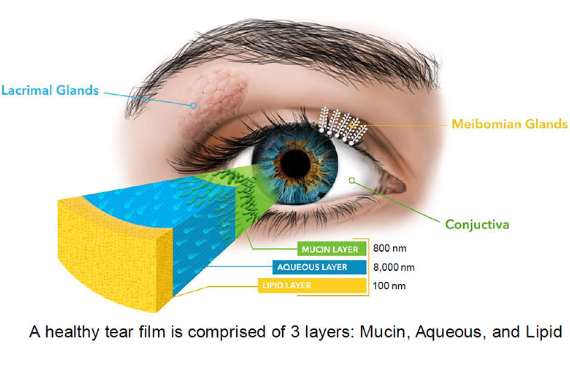
Dry eye is a complex, progressive disease resulting from chronic damage to the parts of the eye that produce and support tears, which normally provide protection, comfort, vision, and maintenance for the eye’s surface. There is typically more than one contributing factor. Dry Eye Disease is defined by increased tear film osmolarity, or “saltiness,” along with inflammation of the ocular surface, and it has the potential to damage that surface over time if left untreated. Through multiple tests and imaging, we work to identify the specific root causes behind your discomfort rather than treating symptoms alone.
~30%
Estimated share of the general population affected by dry eye disease
More Than One Cause
Evaporative and aqueous-deficient dry eye often overlap
Multiple Diagnostic Tests
Used to identify your specific triggers
Ongoing Management
Treatment plans adjusted as your symptoms change
Patient Reviews
Two Root Causes
Evaporative vs. Aqueous-Deficient Dry Eye
Dry eye disease can stem from too little tear production or from tears that evaporate too quickly, and treatment differs depending on the cause.
Evaporative Dry Eye
Related to meibomian gland dysfunction
- Tears evaporate too quickly due to an unstable oil layer
- Often linked to meibomian gland dysfunction
- May improve with lid hygiene and warm compresses
- Can coexist with aqueous-deficient dry eye
Most Common Type
Aqueous-Deficient Dry Eye
Related to reduced tear production
- The eye does not produce enough of the watery tear layer
- Can be associated with conditions like Sjögren’s syndrome
- May require prescription drops to increase tear production
- Often needs a different treatment approach than evaporative dry eye
Less Common
Diagnostic testing helps determine which type, or combination, is contributing to your symptoms.
Step by Step
Your Dry Eye Treatment Journey
From diagnosis to a plan built around your specific triggers.
1
Evaluation
- Symptom history and tear film testing
- Assessment of the eyelids, meibomian glands, and ocular surface
2
Diagnosis
- Identification of evaporative, aqueous-deficient, or combined dry eye
- Review of contributing factors, such as environment or contact lens wear
3
Treatment
- Personalized treatment plan based on your findings
- Follow-up testing to track improvement
4
Long-Term Management
- Adjustments to treatment as symptoms change
- Ongoing monitoring at routine eye exams
What to Expect
Expected Dry Eye Disease Outcomes & Recovery
Because dry eye disease often has more than one cause, many patients see meaningful improvement once the right combination of treatments is found.
What Patients Can Expect in the First 30 Days
- Improvement is often gradual rather than immediate
- Some treatments require consistent daily use to see benefit
- Environmental factors like wind and screen time can affect symptoms day to day
- Follow-up visits scheduled to reassess and adjust your plan
Informed Care
Safety & Risk Considerations
Dry eye treatments range from simple lubrication to prescription therapies, and your provider will review the risks specific to your recommended plan.
Safety Profile
- Most first-line treatments are low-risk, such as artificial tears and lid hygiene
- Prescription options are used under ongoing provider supervision
- Testing is noninvasive and painless
Possible Side Effects
- Temporary stinging or blurring with certain eye drops
- Mild irritation during initial use of some prescription treatments
- Symptoms may temporarily worsen before improving as treatment begins
How We Minimize Risk
Root-Cause Diagnosis
Multiple diagnostic tests help identify your specific dry eye triggers rather than guessing at treatment.
Stepwise Treatment Approach
Treatment typically starts conservative and escalates only as needed based on your response.
Ongoing Monitoring
Follow-up visits track your progress and allow adjustments to your treatment plan.
Why Eye Associates Northwest
What Sets Our Dry Eye Program Apart
For patients who have been searching for answers, here's what makes our approach different.
Multiple Diagnostic Tests
We use more than one test to find the true root cause of your dry eye, rather than treating symptoms generically.
Experience With Difficult Cases
Many patients come to us after trying multiple providers without relief.
Personalized Treatment Plans
Your treatment is built around your specific test results and symptoms.
Our Team
Our Dry Eye Care Team
Optometrists and ophthalmologists focused on identifying and treating the root causes of chronic dry eye.







Find Us
Dry Eye Disease in Seattle & the Puget Sound
Dry eye evaluations are available at our Seattle-area locations.
Coverage & Financing
Cost & Insurance
Costs vary depending on the tests and treatments needed to address your specific dry eye triggers.
Insurance Coverage
Dry eye evaluation and treatment for a diagnosed medical condition are typically billed to medical insurance rather than vision insurance.
- Comprehensive dry eye diagnostic testing
- Treatment plan tailored to your specific findings
- Follow-up visits to monitor improvement
- Billing support through our office
Eye Associates Northwest bills most major medical and vision insurance plans, including Medicare and Medicaid; contact your carrier to confirm your specific benefits.
Self-Pay Options
Some dry eye treatments or products may not be covered by insurance.
- Pricing reviewed before treatment begins
- Multiple accepted payment methods
- Prompt-pay discount for qualifying patients
- Billing office available for questions
We accept cash, checks, Visa, MasterCard, American Express, and Discover, with a 15% prompt-pay discount for qualifying self-pay patients.
Insurance & Payment Made Simple. We bill most major medical and vision insurance plans, including Medicare and Medicaid. Patients without insurance coverage receive a 15% discount when paying in full the same day. Our billing team can answer questions about your specific coverage before your visit.
locationsCommon Questions
Frequently Asked Questions
Common questions from patients dealing with chronic dry eye.
Why do my eyes water so much if I have dry eye?
Watery eyes can actually be a sign of dry eye disease. When the ocular surface is irritated, the eye can overproduce a reflex tear that does not have the right composition to keep the surface properly lubricated.
I have tried eye drops without success. What else can help?
Because dry eye often has more than one contributing cause, we use multiple tests to find your specific triggers so treatment can go beyond over-the-counter drops.
How common is dry eye disease?
Discomfort from dry eye affects about 30% of the general population, and many patients see several providers before finding an approach that works for them.
Can contact lens wear cause dry eye?
Yes, contact lens discomfort is a common symptom of dry eye disease, and addressing the underlying dryness can often improve contact lens tolerance.
What can cause dry eye disease?
Dry eye can have many contributing causes, including autoimmune conditions like Sjögren’s syndrome, prior LASIK surgery, extensive contact lens wear, and certain medications such as antihistamines, blood pressure medications, sleeping pills, pain medications, and hormone replacement therapy. Identifying your specific contributing factors is part of a thorough evaluation.
Are there procedures available beyond drops and lid hygiene?
Yes. For some patients, punctal plugs, which temporarily or permanently reduce how quickly tears drain from the eye, can help conserve natural tears and improve comfort. Your provider can discuss whether this option fits your specific diagnosis.
Can dry eye disease cause permanent damage if left untreated?
In rare cases, severe and prolonged dry eye disease can damage the surface of the eye and lead to permanent vision loss, which is why ongoing evaluation and treatment matter even when symptoms seem manageable.
Ready When You Are
Schedule Your Free Consultation
Most patients see results within 24 hours. Consultations are available at all four locations, online scheduling takes less than two minutes.