Edmonds
Edmonds Medical Plaza
21616 76th Ave W Suite 110
Edmonds, WA 98026-7512
- Phone: 425.775.0548
- Fax: 206.342.6166
Mon - Fri 7:30am - 4:30pm
Closed Saturday and Sunday.
Holidays may affect these hours.
Eye Doctor in Edmonds
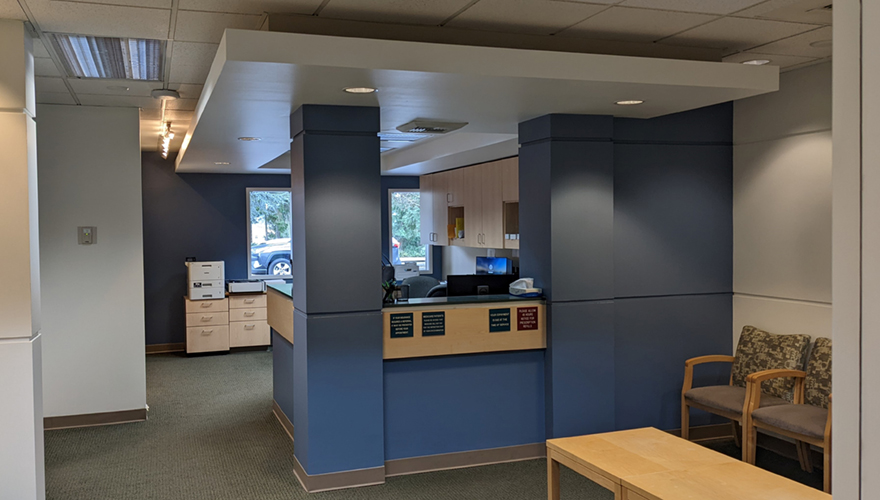
If you are searching for an ophthalmologist or eye doctor in Edmonds, Eye Associates Northwest provides comprehensive eye care close to home for patients throughout the north Seattle area. Our Edmonds office supports ongoing eye health management, specialty evaluations, diagnostic testing, and treatment planning for a range of medical eye conditions. Patients who need broader ophthalmology care can also access the experience and specialty support of the full Eye Associates Northwest team across Seattle.
Yes. Our Edmonds office provides local access to eye care, specialty evaluations, and medical eye treatment through Eye Associates Northwest.
Yes. Patients seen in Edmonds can also be connected with broader Seattle-area ophthalmology services within the Eye Associates Northwest network.
Services/Specialties
- Adult Strabismus – When strabismus, or eye misalignment, affects adults, it can lead to symptoms like double vision, eye strain, and challenges with depth perception. Thankfully, an eye doctor can work with you to explore various treatments that might help, from corrective lenses and targeted eye exercises to, if necessary, surgical adjustments to the eye muscles.
- Advanced Imaging – Modern imaging techniques, such as OCT scans and retinal photography, give eye doctors a detailed look at the eye’s inner structures. These tools make it easier to detect diseases like glaucoma, macular degeneration, and diabetic retinopathy early on, supporting timely and potentially more effective treatment.
- Cataract Surgery – Cataracts, which cloud the natural lens, often lead to blurred vision and sensitivity to light. During cataract surgery, the cloudy lens is replaced with a clear artificial one, bringing back sharp, clear vision. Your eye doctor will help you understand your options for replacement lenses and guide you through recovery to ensure the best outcome.
- Contact Lenses – Contact lenses are an adaptable solution for vision correction, offering options for various vision needs, from nearsightedness and farsightedness to astigmatism and presbyopia. An eye doctor can assess your specific requirements and help you choose the best fit, whether daily, extended, or specialty wear is right for you.
- Cornea – The cornea, the clear, front layer of the eye, plays a critical role in focusing light. Conditions affecting it—such as infections, keratoconus, or injuries—can impact vision. Treatment options from your eye doctor may include medications, specialized contacts, or sometimes surgery to help restore visual clarity.
- Diabetic Eye Disease – Diabetes can affect the blood vessels in the retina, leading to diabetic eye diseases like retinopathy or macular edema. Regular check-ups with an eye doctor can catch these changes early, and treatment options like laser therapy or injections can help protect and preserve vision over time.
- Dry Eye Disease – Dry eye disease occurs when the eyes can’t produce enough tears or lack the right tear quality for proper lubrication, often causing stinging, redness, or blurred vision. Your eye doctor can help relieve these symptoms with treatments like prescription eye drops, tear duct plugs, or lifestyle recommendations.
- Eyelid and Facial Surgery – Eyelid and facial surgery can address both functional and cosmetic concerns, such as droopy eyelids that might limit your vision or extra skin around the eyes. An eye doctor skilled in oculoplastics can enhance the function and appearance of your eyelids, improving both vision and comfort.
- Glaucoma – Glaucoma refers to a set of eye conditions that, if untreated, can damage the optic nerve and lead to vision loss, typically due to elevated eye pressure. Regular visits to an eye doctor allow for early detection, and treatment options such as eye drops, laser therapy, or surgery can help control the condition and protect vision.
- Medical Retina – The retina is the light-sensitive layer at the back of the eye, vital for sight. Conditions like retinal tears, detachments, or macular degeneration require specialized care. An eye doctor with expertise in retinal health can provide treatments, including injections, laser therapies, or surgery, aimed at preserving your vision.
- Myopia Control Clinic – Myopia, or nearsightedness, often progresses throughout childhood, leading to stronger prescriptions and increased eye health risks as one ages. A myopia control clinic can offer treatments to help slow this progression, such as specially designed contact lenses or atropine eye drops, with guidance from an experienced eye doctor.
- Optical – Optical services offer a wide variety of eyewear options, from trendy frames to advanced lenses, including blue-light-blocking, transition, and progressive lenses. Your eye doctor and the optical team can help you select lenses that best suit your lifestyle and visual needs, ensuring clear, comfortable vision.
- Pediatric Eye Doctor – Pediatric eye doctors specialize in children’s eye health, diagnosing and treating conditions such as lazy eye (amblyopia), strabismus, and focusing issues. With regular exams, an eye doctor can support your child’s visual development, ensuring they’re set up for learning and day-to-day activities.
Comprehensive Ophthalmology Care in Edmonds
Patients looking for an ophthalmologist in Edmonds or an eye doctor in Edmonds can receive comprehensive medical and surgical eye care close to home at Eye Associates Northwest. Our Edmonds office provides care for a variety of eye health needs, including cataract evaluations, glaucoma management, treatment for dry eye, and routine medical eye exams. Whether you need ongoing monitoring for an eye condition or specialized treatment to protect your vision, our team is committed to delivering personalized, patient-centered care in a convenient community setting.
As part of the larger Eye Associates Northwest practice serving the Seattle area, the Edmonds location offers the convenience of local care while providing access to a broad network of ophthalmology specialists, advanced diagnostic technology, and additional specialty services when more complex medical or surgical treatment is needed.
Looking for an Ophthalmologist Near You?
Searching for an eye doctor or ophthalmologist in Edmonds? Book a local appointment and explore comprehensive eye care across Seattle.
What to Expect During Your Visit
Prior to your Visit
Please bring your photo ID, insurance card, and a list of current medications to your appointment. If you have glasses, be sure to bring those with you. If you wear soft contact lenses, insert them 2 hours prior to your appointment. If you wear hard contact lenses, insert them 4 hours prior.
During your Visit
We may do additional testing based on your specific ocular or health history. You should expect that we will check your vision, your ocular pressure, provide you with a glasses prescription, and dilate your eyes to check the health of your retinas.
Patients are required to wear a face mask while in clinic to protect other patients and our staff. Please wear your mask for the duration of your visit unless your exam necessitates its removal. We appreciate your cooperation.
After your Visit
You may be light-sensitive or having difficulty focusing up close for a few hours as your dilation wears off; however, you will be safe to drive.
Cataract surgery is performed when the natural lens of the eye becomes cloudy, and daily activities become difficult due to reduced vision. During cataract surgery, the surgeon removes the natural lens and replaces it with an artificial intraocular lens (IOL). The surgeons at Eye Associates Northwest utilize state-of-the-art technology and microsurgical techniques to provide safe, quality surgery that is tailored specifically to each patient.
The surgeons at Eye Associates Northwest are pleased to offer the following premium options for our patients:
Laser-Assisted Cataract Surgery
Toric (Astigmatism Correcting) Lens Implant
Multifocal Lens Implant
Toric Multifocal Lens Implant
Monofocal Lens Implant
See here for more Information
We have specially trained staff who can answer questions about refractive surgery and would be happy to schedule an appointment for you to have a free evaluation.
Your doctor will give you a prescription for glasses after your visit. You do not need an appointment to see one of our opticians who will help you select the best frame and lens type for your needs.
For contact lenses, you must see one of our contact lens specialists in addition to seeing the doctor, in accordance with Washington State law. These specially trained opticians will help you select the best lens type for your eyes. If you are having a contact lens examination and you currently have contact lenses, you should wear them to your appointment.